Families
OPHN1 families are not alone. Connect, share, and find the resources your family needs.
Behind every diagnosis is a person with a story to tell. We exist because OPHN1 families deserve connection, information, and the reassurance that they are not alone.
OPHN1 Families Are at the Heart of our Mission
Newly Diagnosed
Just received an OPHN1 diagnosis? Start here for guidance, resources, and connection with families who understand.
Participate in Research
Your family’s involvement in clinical studies and data registries is essential to understanding OPHN1.
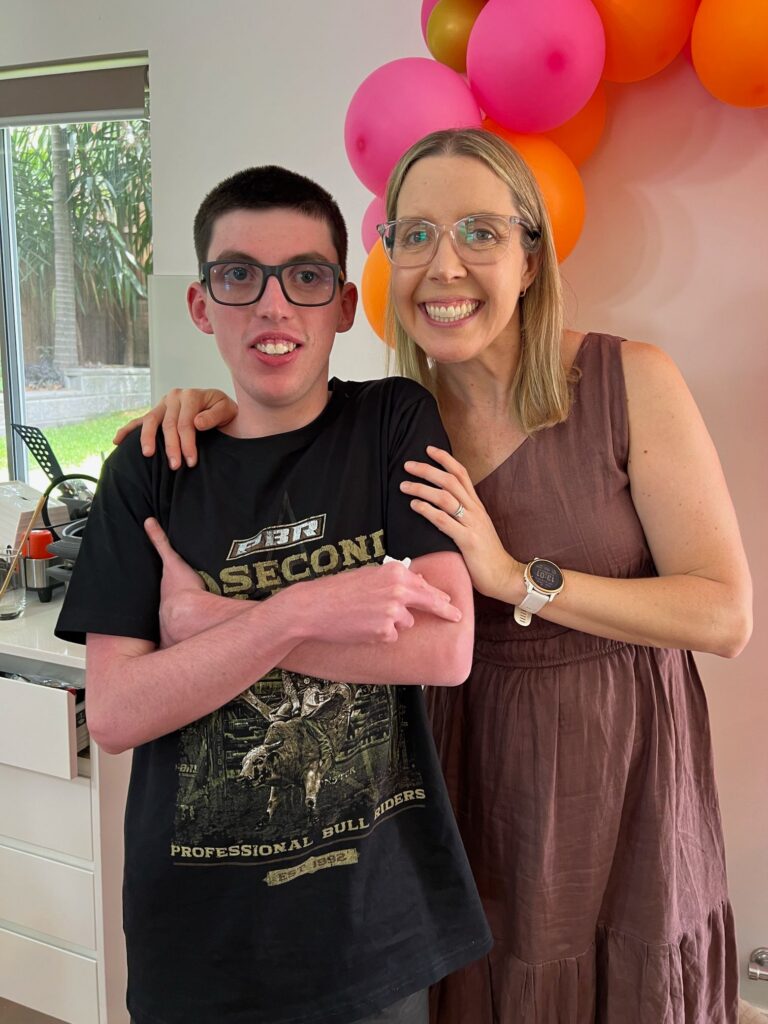
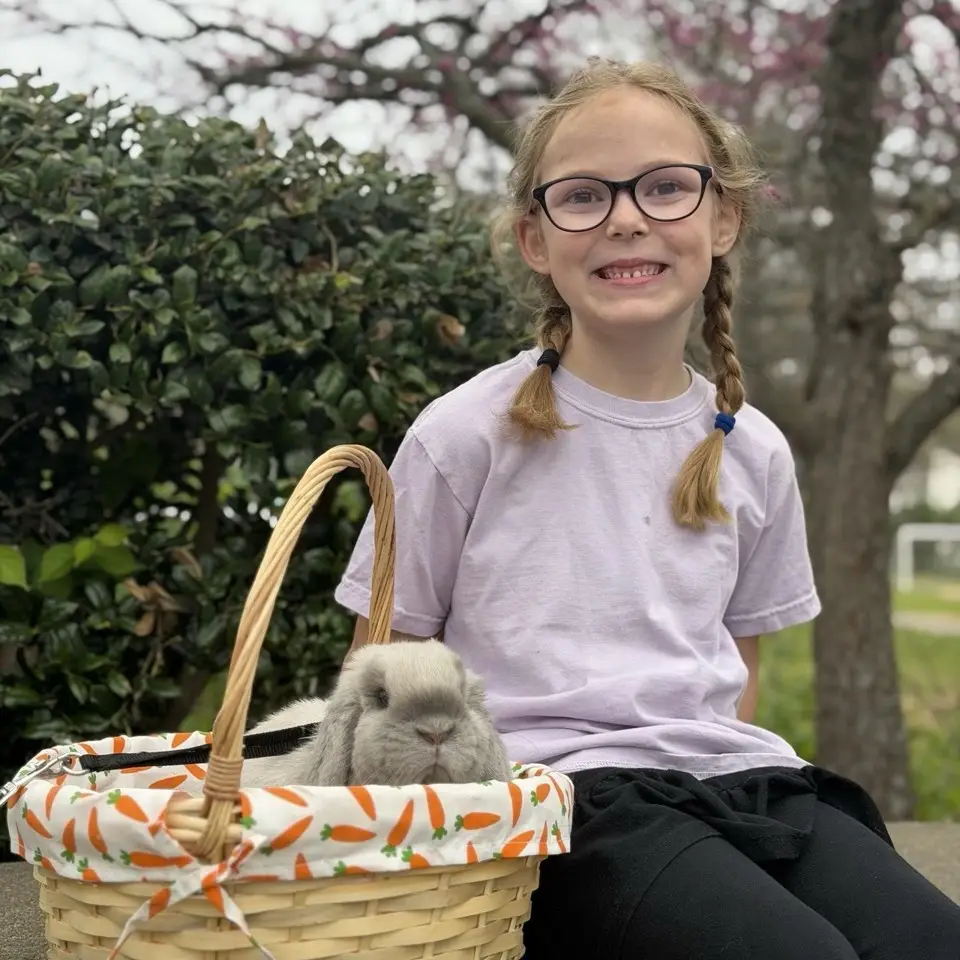
Meet Our OPHN1 Family
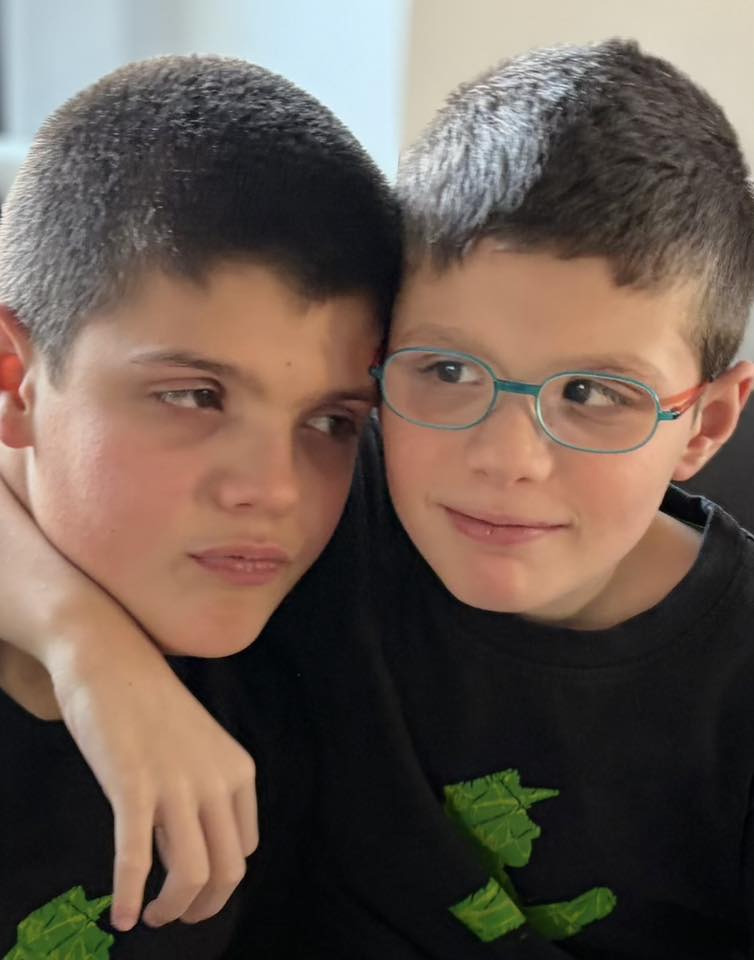
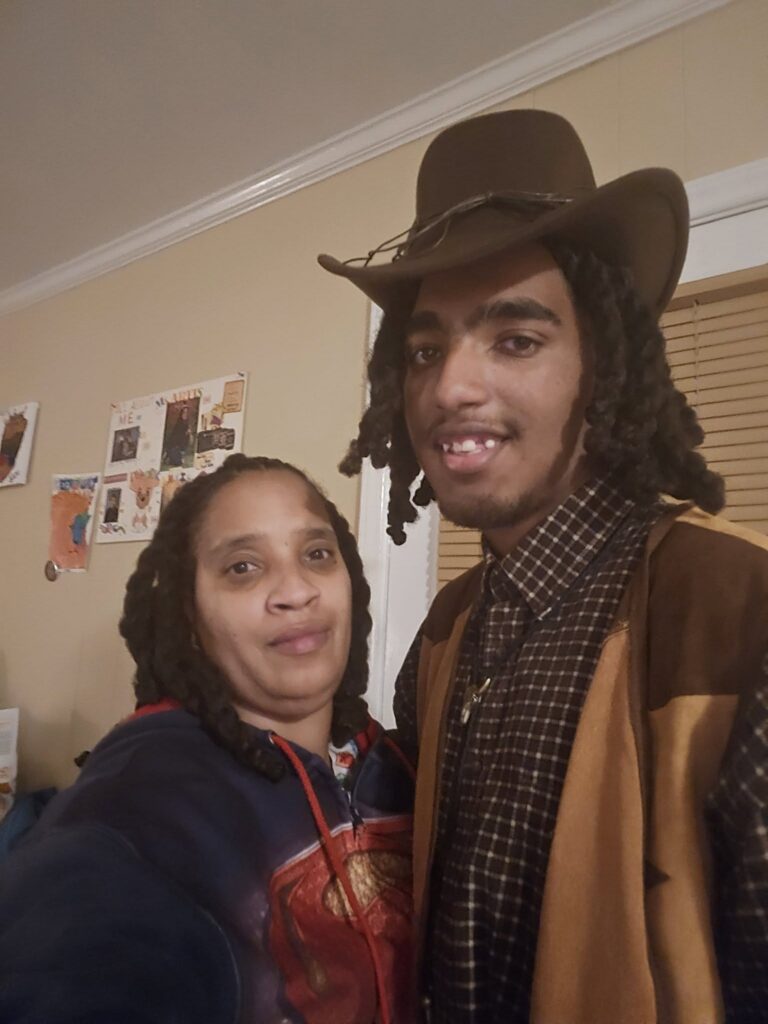
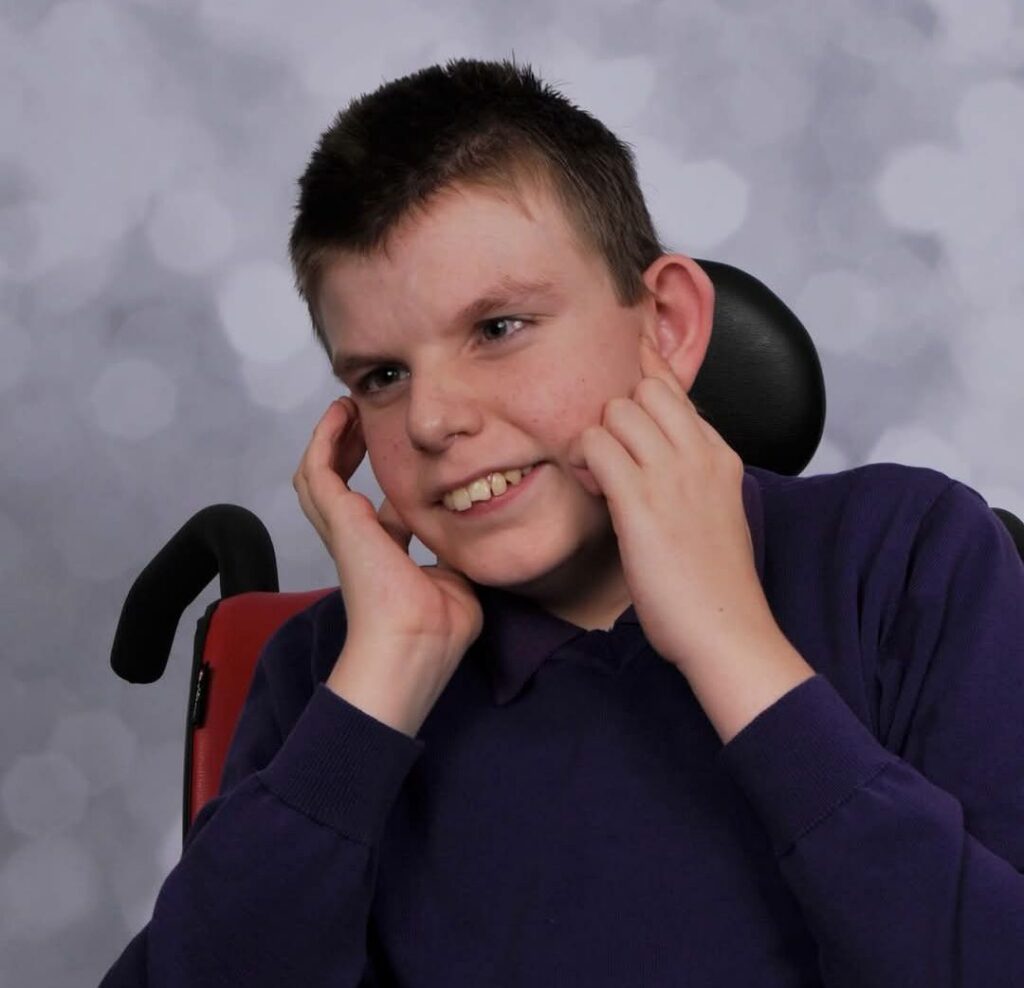
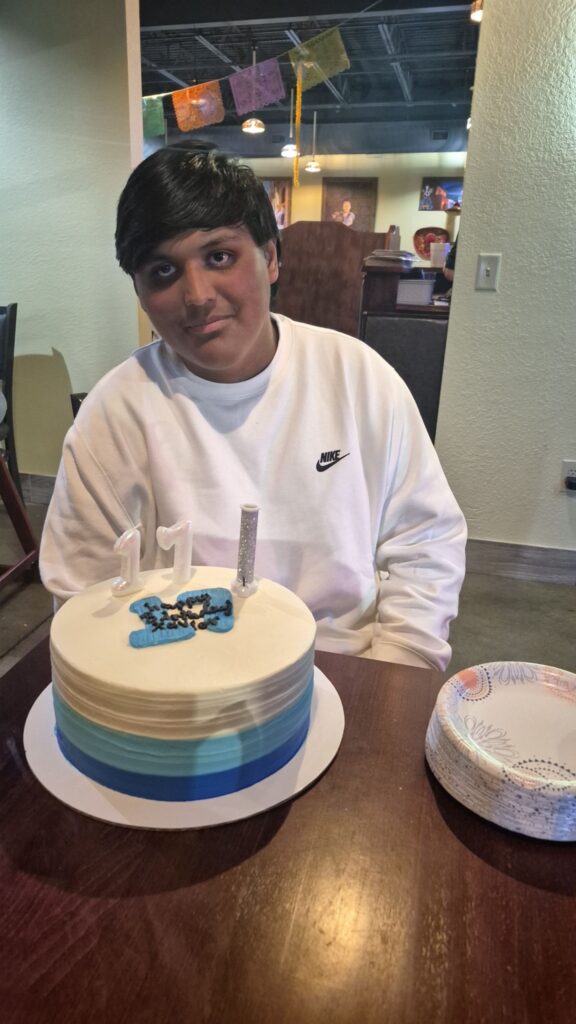
Meet other people and families living with OPHN1. Their courage inspires our mission.
Share Your Story
Your journey can give hope to a family just starting theirs. Share your experience to raise awareness.
Connect with the private OPHN1 family community on Facebook which is a safe, supportive space to share milestones.
Treatment Priorities
Share which treatment priorities are most important to your family. This will be used in designing clinical trials.
Your Participation Drives
Progress
Every family’s involvement helps researchers understand OPHN1 more deeply.
Below are the ways you can contribute — active opportunities and those coming soon.
Participate in Research
✓ ACTIVE
Treatment Priorities Survey
Complete this Microsoft Forms survey to tell us which need is greatest for your family. Common responses include seizure control, behavioral management, and addressing learning challenges.
✓ ACTIVE
CoRDS Patient Registry
Complete the CoRDS Patient Registry which includes OPHN1-specific surveys to allow us to better capture the natural history of OPHN1.
You control who sees your data.
✓ COMING SOON
OPHN1 Census
Register in our OPHN1 Census so we can have an accurate count of diagnosed patients worldwide.
✓ COMING SOON
Share Medical Records
Share your medical records with researchers using Citizen Health, giving scientists access to real-world clinical data. You control who has access to see your data.
✓ COMING SOON
Biorepository Sample Donation
Donate biological samples to our Biorepository to support laboratory research into OPHN1 biology and therapeutic development.
You Are Not Alone
Receiving an OPHN1 diagnosis can feel overwhelming. This is a place to start —
with information, community, and hope.
What to Expect
OPHN1 is rare, but our community is here to walk alongside you. No two children are the same, and the path forward will be unique to your family.
More detailed resources for newly diagnosed families are being developed. In the meantime, we encourage you to connect with us directly — we’ll point you in the right direction.
1
Connect with a specialist
Ask your pediatrician for a referral to a geneticist or pediatric neurologist experienced with rare conditions.
2
Join our Community
Our private facebook group connects you with families around the world who truly understand.
3
Start Early Interventions
Physical, Occupational and Speech Therapy can make a meaningful difference – earlier is better.
4
Participate in Research
Enroll in the CoRDS patient registry to contribute to the growing understanding of the signs and symptoms of OPHN1 variants.
What OPHN1 Syndrome Can Look Like
Most people with OPHN1 syndrome share several clinical features. The list below covers the most commonly seen — but every child is different, and severity varies widely.
Because males only have one X chromosome, males with OPHN1 mutations are typically strongly affected. Females, who carry two X chromosomes, are often less severely affected. Background genetics and the specific variant a person carries also shape how the syndrome shows up — which is why the range of symptoms is so wide.
Learning Differences / Intellectual Disability
Often moderate to severe
Brain Anatomy
Often involving a smaller, or hypoplastic, cerebellum and/or enlarged ventricles
Epilepsy / Seizures
Various seizure types may occur; often starting in early childhood
Vision and Eye Differences
Unaligned eyes, often visible from infancy
Delayed Developmental Milestones
Sitting, standing, and walking reached on a slower timeline
Speech & Motor Challenges
Difficulty with speech, fine motor, and gross motor skills
Behavioral & Emotional Differences
Challenges with mood, attention and emotional regulation
Sensory & Autistic Features
Sensory overload; features overlapping with autism
Hypotonia
Poor muscle tone, especially prominent in infancy
WHEN SYMPTOMS APPEAR
A Typical Timeline
Different features become evident at different ages. Knowing what to look for — and when — can help families and clinicians plan for evaluations and supports.
Not every child will follow the same pattern, but this timeline offers a general guide.
Earliest Signs
Strabismus, hypotonia, and — if assessed by brain imaging — cerebellar differences may be evident in infancy.
Developmental Delays
Delays in motor, speech, and learning milestones may become noticeable in infancy or early childhood and often guide therapies and supports over time.
Seizures
Seizures can occur in OPHN1 syndrome and may begin in infancy or early childhood. Timing and type vary by person.
CARE & TREATMENT TODAY
What Care Looks Like — and What's Coming
There are no therapies specific to OPHN1 deficiency yet. Day-to-day care focuses on managing symptoms and supporting development. Research toward targeted therapy is actively underway.
Current Standard of Care
Children with OPHN1 typically take anti-epileptic medication for seizure control. They are eligible for occupational, speech, behavioral, and vision therapies — supports that can make a meaningful difference in development and quality of life.
What’s Being Pursued
The OPHN1 Foundation is actively evaluating multiple therapeutic paths, including ROCK inhibitors (such as Fasudil) and emerging genetic therapies aimed at restoring OPHN1 function. The science behind these approaches lives on The Science page.
This information is meant to help families orient — it is not medical advice. Every child is different. Please work with your pediatrician, geneticist, and care team for guidance specific to your family.
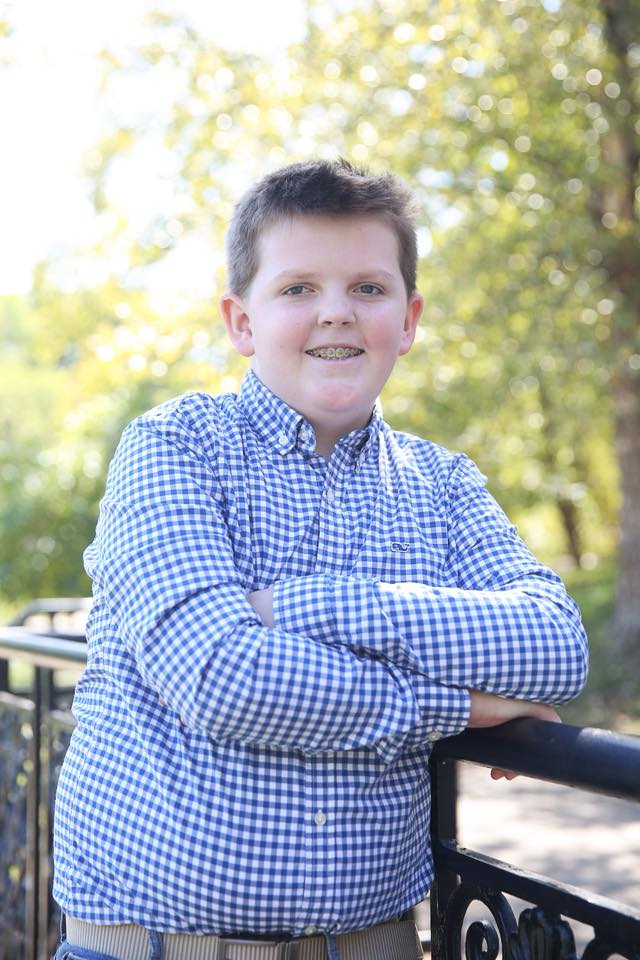
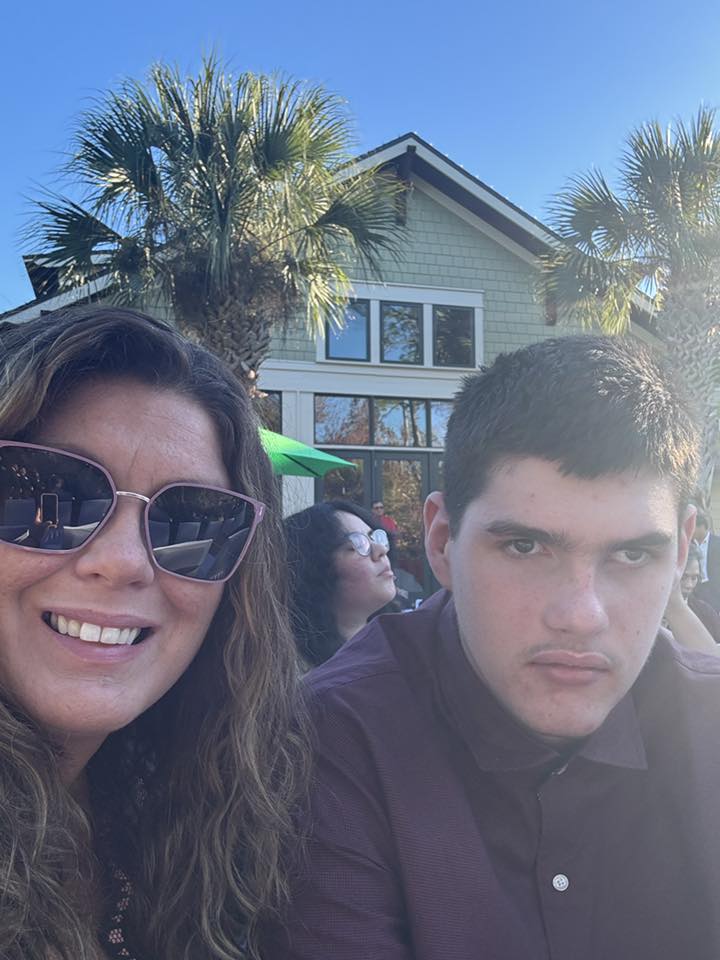
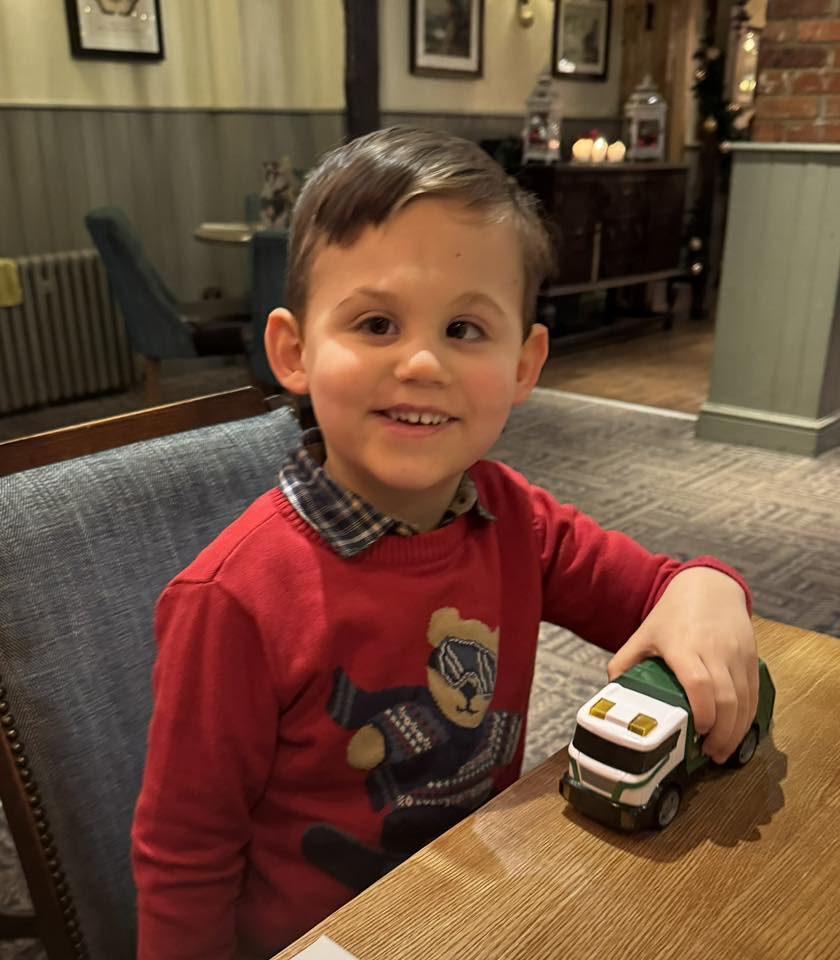
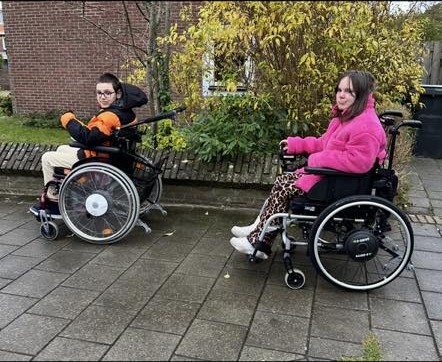
The Faces Behind Our Mission
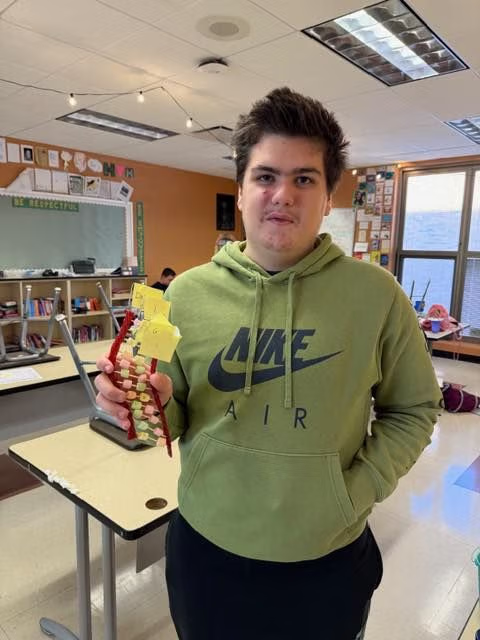
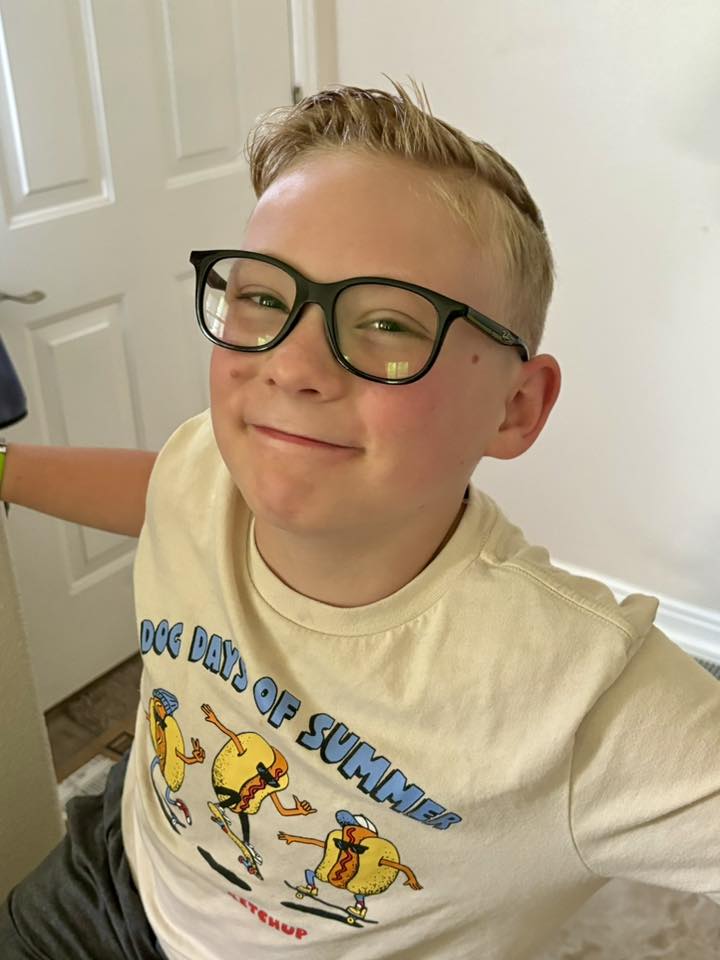
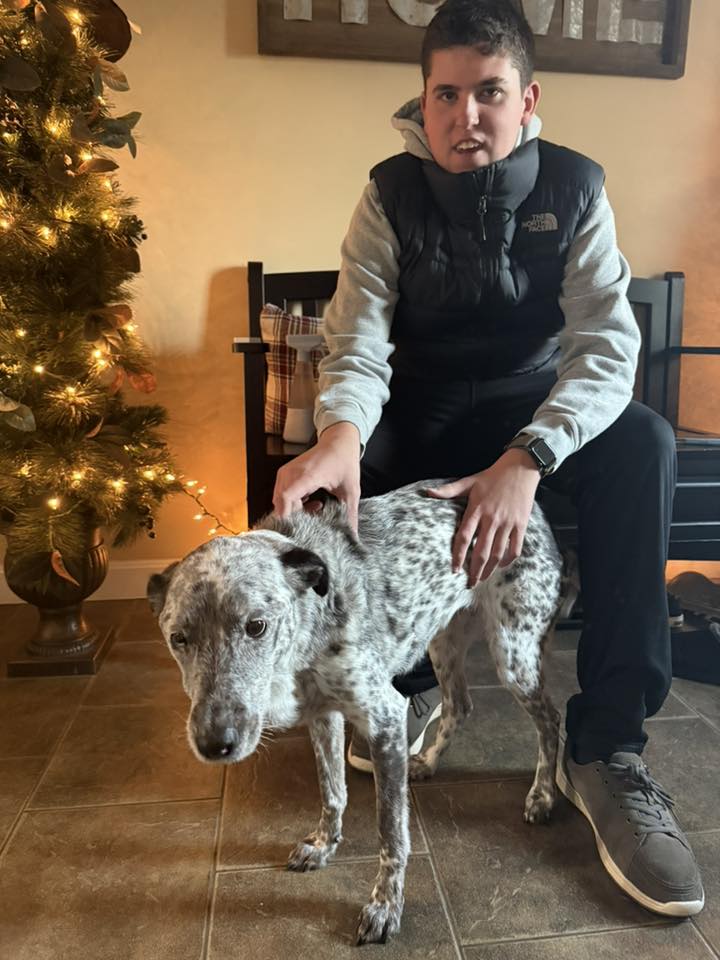
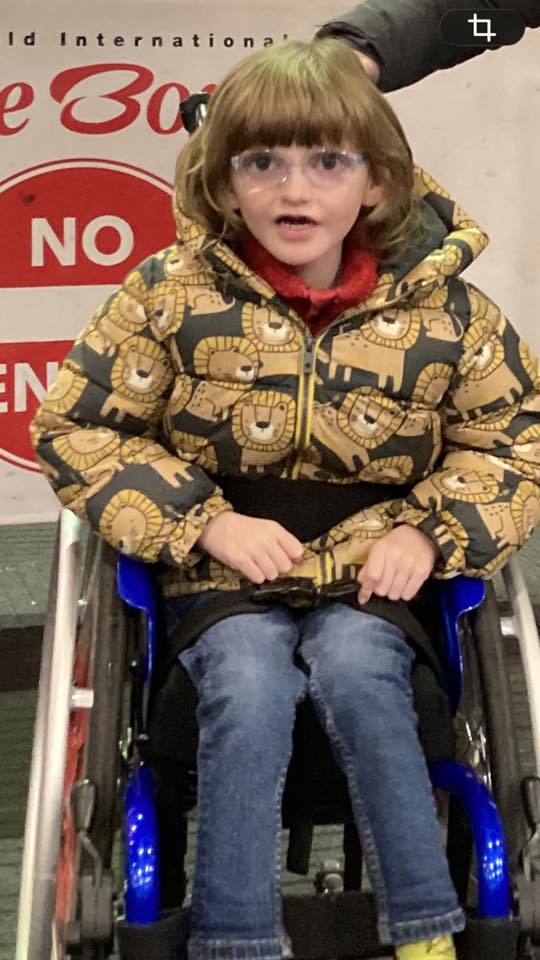
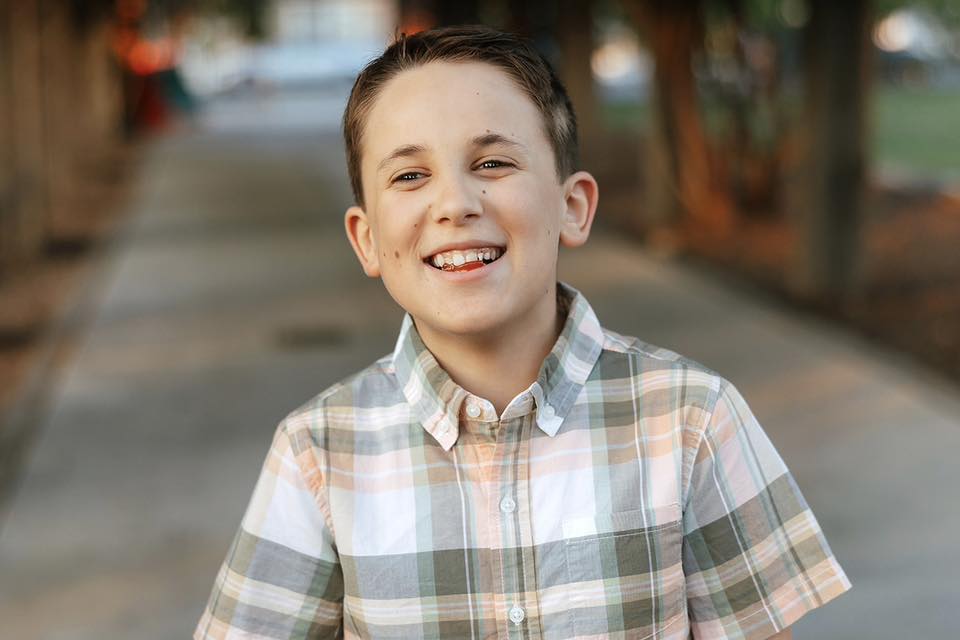
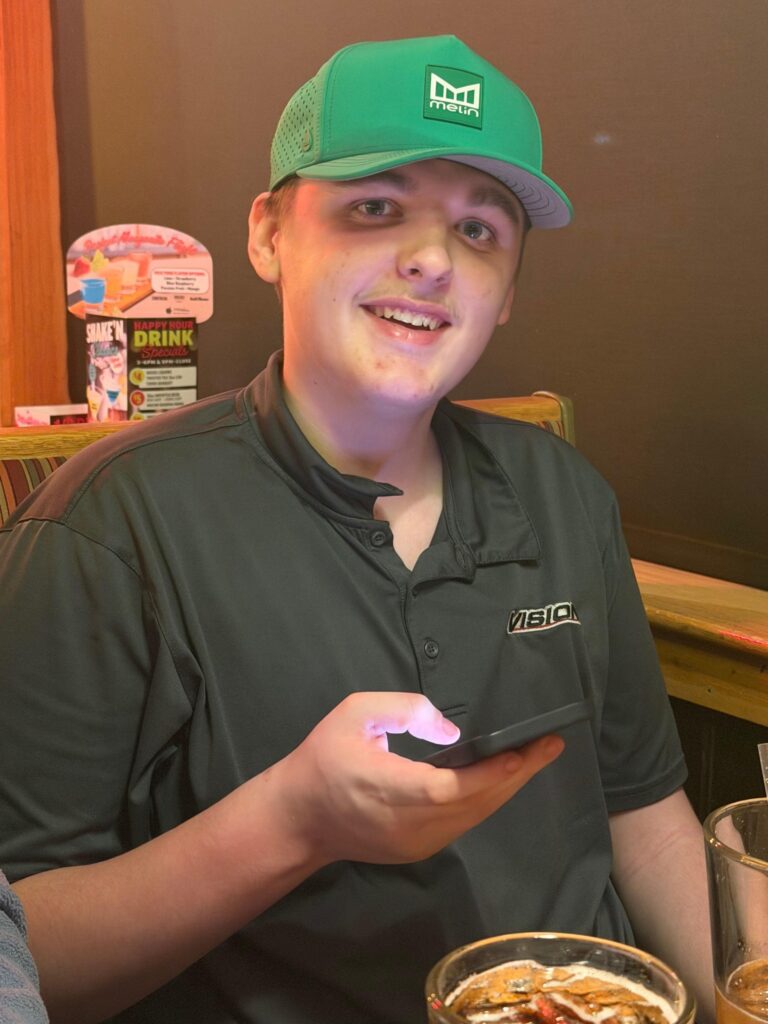
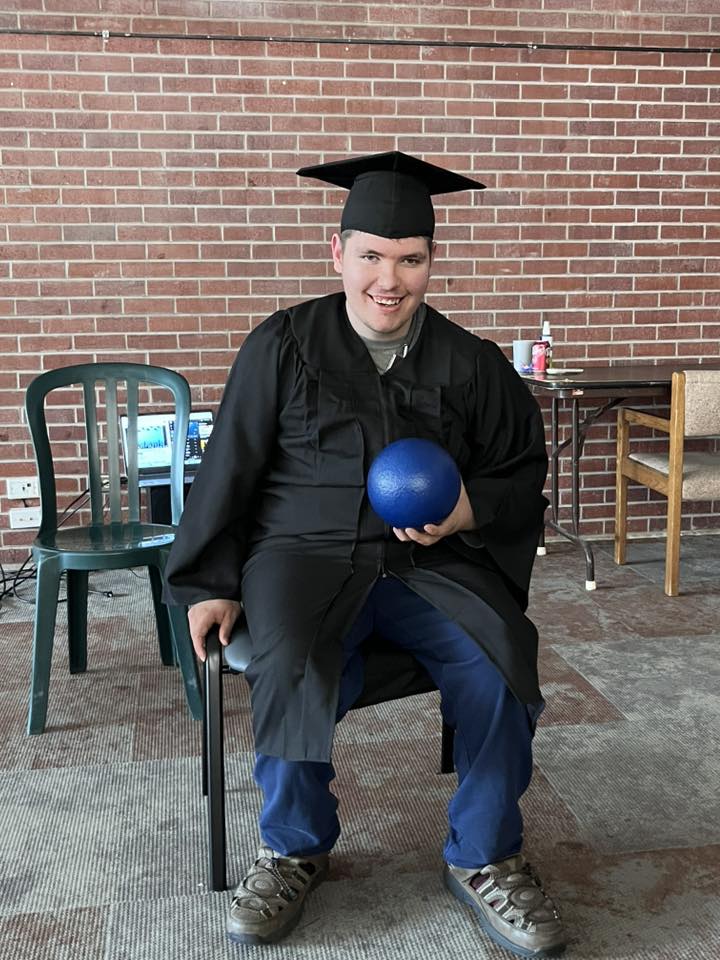
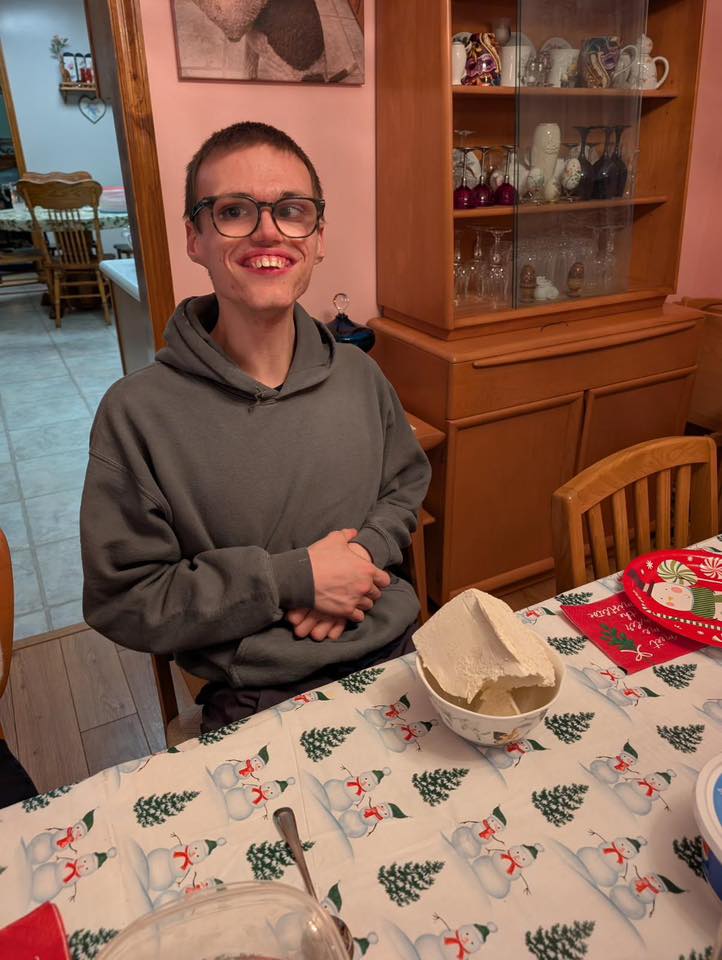
Every person in our community is unique, full of joy, and deeply loved. These are the individuals who inspire everything we do — and who remind us why finding treatments matters.
Connor
- USA
- Idaho, USA
Aiden
- Massachusetts, USA
Eli
- Northern Ireland
Elliott
- California, USA
Evan
- Washington, USA
Jared
- Colorado, USA
Joe
- New York, USA
John
- Missouri, USA
Lincoln
- USA
Louie
- UK
- Netherlands
Noah and Mika
- Germany
Shon and Sydta
- North Carolina, USA
Will
- Yorkshire, UK
Xavier
- Nebraska, USA
Xavier
- Newcastle, AUS
COMING SOON
Is your child or family member part of the OPHN1 community? We’d love to feature them here.